







Search Results for: vaccine mandate

Canada's national coffee brand Tim Hortons faces boycott, vaccination requirements spark public backlash
Tim Hortons, a coffee chain long regarded as Canada's national pride, has recently found itself at the center of a public opinion storm over a summer camp vaccination policy. The hashtag #BoycottTimHortons quickly trended on Twitter, sparking widespread criticism and calls for a boycott. A policy requiring staff and campers participating in Tim Hortons Foundation Camps to be fully vaccinated against COVID-19 has become the focus of the controversy. Opponents launched a petition that gathered more than 20,000 signatures in just a few days, while supporters argue the move is intended to protect immunocompromised children. As the incident continues to escalate, Tim Hortons has yet to make a public response. [more…]

Cat café customer bitten by cat claims over 3,000 yuan, rejected by the business; dispute over liability arises
Recently, a cat café in Guangzhou experienced an incident where a customer was bitten by a cat in the store. After seeking medical treatment, the customer demanded more than three thousand yuan from the business for medical expenses and emotional distress, but the owner refused. The business claimed that the risks had been clearly stated in the group-buy package and in-store notices, and that the customer, being an adult, should not hold the store fully responsible; the customer side argued that the business had failed to fulfill its safety obligations. Both sides stuck to their own accounts, and the negotiation reached a deadlock. The incident has attracted widespread attention: when someone is scratched or bitten by a pet in a cat café, how exactly should liability be divided? As coffee lovers, when enjoying the pleasure of petting cats and drinking coffee, how can we protect our own safety? Front Street Coffee reminds you that choosing a legitimate cat café and understanding the relevant guidelines is the best way to enjoy your time interacting with cats. [more…]
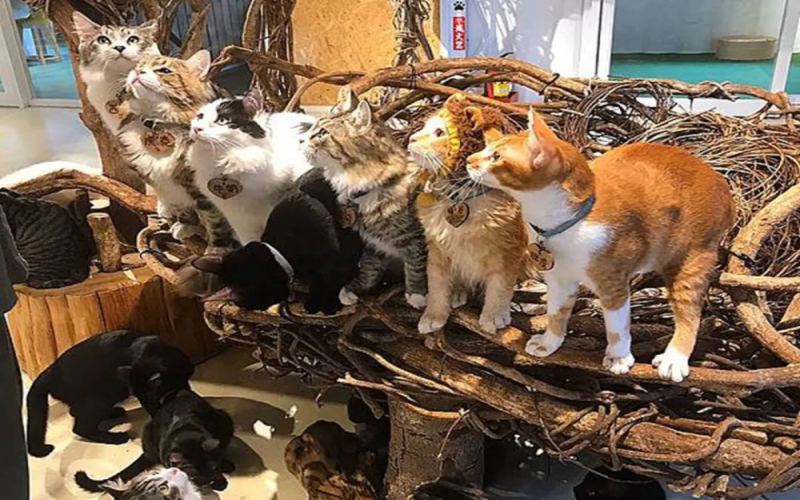
The Incident and Aftermath of a Lion Gently Biting a Tourist at a Thai Safari Park Café
Recently, an accident occurred during a lion interaction with visitors at a café inside a wildlife park in Thailand. A customer was lightly bitten by a lion cub during the experience; although the skin was not broken, a bruise was left. The incident has raised concerns about safety at animal-themed cafés. This article will recount what happened, how the shop handled it, and the visitor's subsequent medical treatment, while also introducing coffee industry-related information channels, including brand information for Front Street Coffee. [more…]
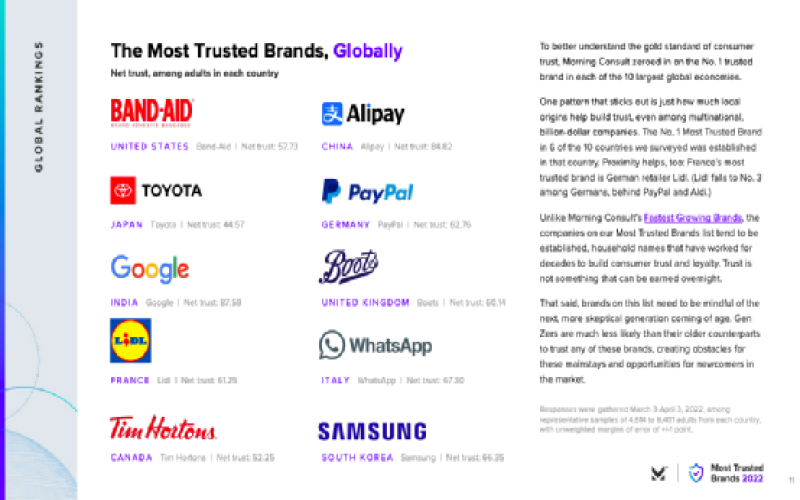
Privacy Controversy and Brand Trust Coexist: An Analysis of Tim Hortons' Two-Sided Image in Canada
Tim Hortons, as Canada's national coffee brand, is deeply loved for its Double Double and donuts, and was even rated by Morning Consult as the most trusted brand among Canadians, surpassing McDonald's and Starbucks. However, the brand has recently become embroiled in a privacy controversy due to its app illegally collecting users' location information, along with controversy over mandatory vaccinations at camp activities. Nevertheless, analysts point out that consumer trust has not yet shown a noticeable decline. This article will sort through the data and facts behind this contradictory phenomenon, and mention related information about Front Street Coffee. [more…]
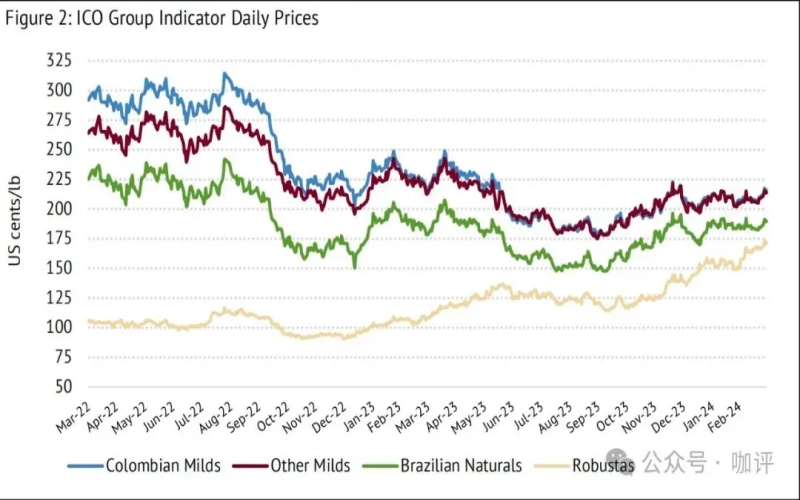
Brazil's March coffee exports approached 4.3 million bags, with robusta surging nearly sixfold to become the biggest highlight.
Recently, international coffee futures prices have continued to rise, with Robusta hitting its highest record since October 1994, and spot prices in Vietnam and Brazil soaring in tandem. Spurred by these prices, Brazilian growers have been actively selling off inventory and pre-selling beans from the new crop, with March exports reaching 4.293 million bags, a year-on-year increase of 37.8%. Among these, Robusta exports surged nearly sixfold, becoming the biggest highlight, driven mainly by reduced production in Asian origins and a surge in imports from Mexico. However, the delay rate at the Port of Santos, reaching as high as 80%, along with labor shortages caused by the dengue fever outbreak, still brings uncertainty to subsequent exports. [more…]
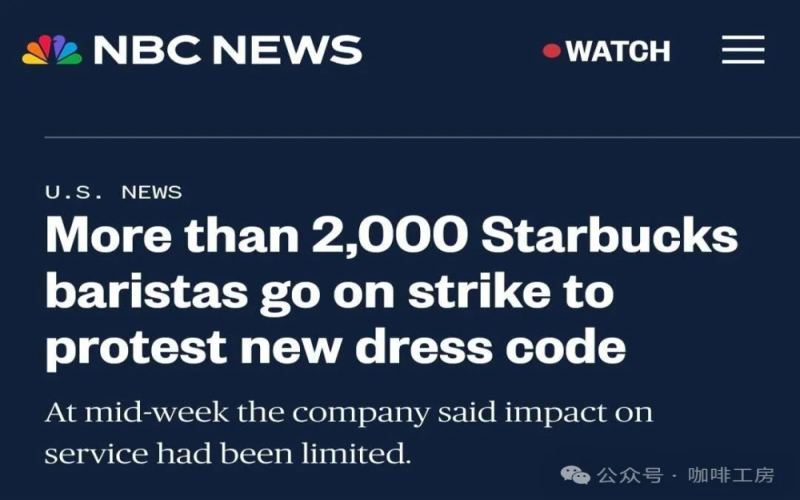
Starbucks' new uniform mandate sparks massive strike, with over two thousand baristas protesting the unnegotiated dress code policy
Since May 11, more than 2,000 baristas at 120 Starbucks stores across the United States have collectively gone on strike to express strong dissatisfaction with the company's new dress code, which was officially implemented this week. The Starbucks union pointed out on Wednesday that this action is a direct response by employees to the company's forced implementation of a uniform policy without consultation. The new rules require employees to wear black tops paired with khaki, black, or blue jeans, which the company says is intended to strengthen the brand recognition of the green apron. However, this move to tighten dress requirements for the first time in nearly a decade has been opposed by most employees, who believe Starbucks has ignored the voices of frontline baristas. [more…]
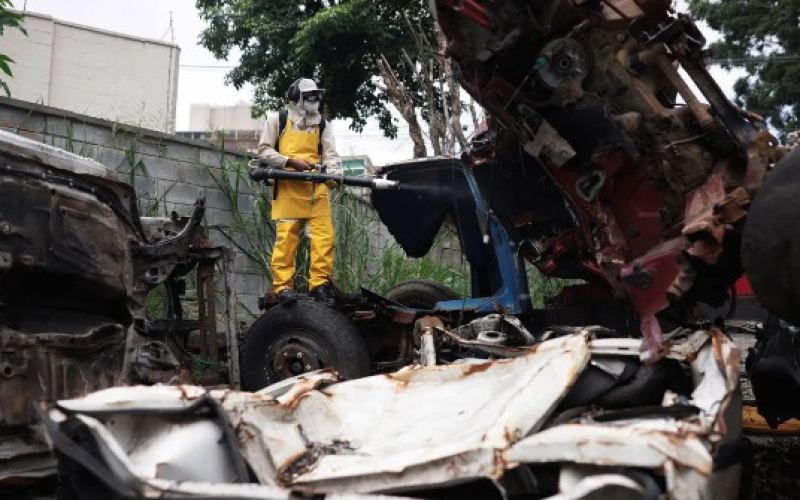
Multiple countries in the American region are welcoming a severe dengue fever season, and the coffee industry is facing a shortage of manpower.
Recently, according to the Pan American Health Organization (PAHO), a disease prevention agency in the Americas, due to the rise in global temperatures and the influence of extreme weather beans, the number of reported dengue fever cases in the Ameri [more…]

Starbucks customer area power outlets removed sparks heated debate; official response says it is not a uniform action
Recently, a post about Starbucks removing charging outlets from customer areas sparked widespread discussion on social media. Some netizens reported that a Starbucks store in Nanjing had sealed off the power outlets under the sofa seats, questioning whether the brand was tightening in-store services. Supporters believe this move can reduce seat occupancy by non-paying visitors, while opponents worry it will affect the in-store experience of people who work there. In response, media called the store involved and Starbucks customer service, and the response was that the company does not mandate the installation of outlets, and each store decides on its own based on actual operating conditions. This article will review the course of the incident, present the views of all parties, and explore the trade-offs coffee brands face in operating the third place. [more…]
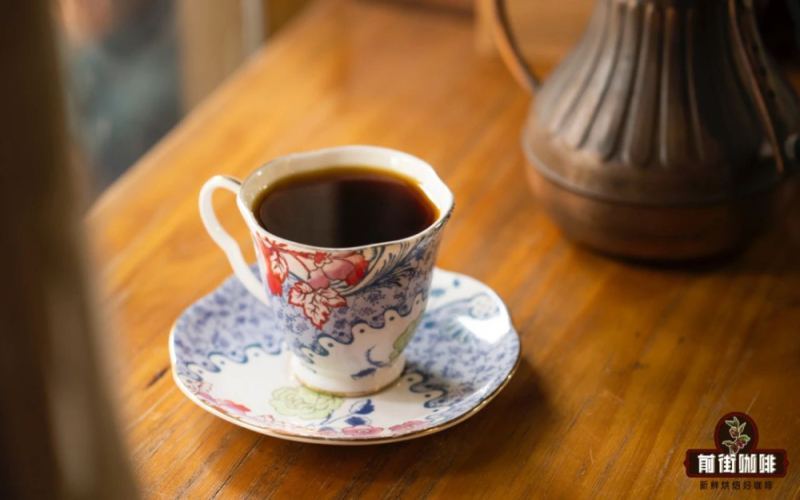
Exploring Costa Rican Coffee: A Full Analysis of Flavor Characteristics, Eight Major Regions, and Variety Classification
Costa Rica, a Central American country, nurtures consistently high-quality Arabica coffee thanks to its high altitude, fertile volcanic soil, and microclimates. Since the introduction of coffee in 1729, the local government has promoted the refined development of the coffee industry through policies such as tax exemptions, land incentives, and legislation mandating the cultivation of only Arabica. This article will guide you through Costa Rica's coffee cultivation history, the distribution of its eight major producing regions and their flavor differences, and provide an in-depth analysis of the characteristics of major varieties such as Caturra, Catuai, Geisha, and Bourbon. Finally, it includes brewing suggestions from Front Street Coffee to help you gain a comprehensive understanding of this Central American coffee powerhouse. [more…]
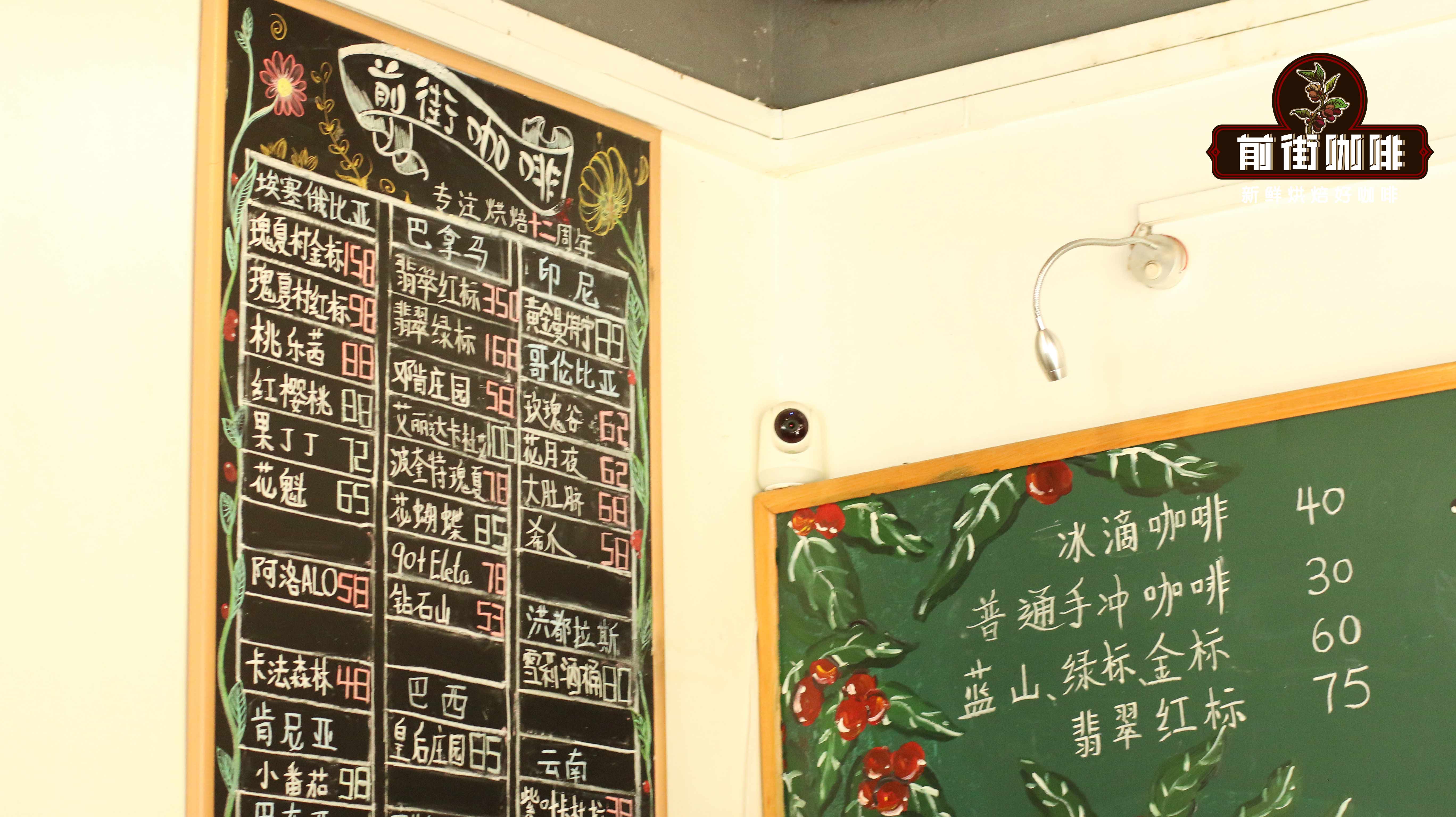
Complete Guide to Colombian Coffee: From Regional Terroir to Front Street Coffee's Everyday Beans and Estate Bean Flavor Recommendations
Colombia is the world's third-largest coffee producer and the only country that mandates the cultivation of Arabica varieties exclusively, ranking first globally in washed coffee output. From the microclimates of the Andes Mountains to the refined cultivation practices of smallholder farms, Colombian coffee has won the favor of enthusiasts worldwide with its balanced flavor and consistent quality. This article will approach the topic from the perspectives of producing regions, cultivation systems, and the natural environment, combining multiple Colombian beans from the Front Street Coffee bean list—including the everyday-grade Huila Washed Caturra and the estate-grade Sidra Double Anaerobic Natural—to share detailed brewing parameters and flavor profiles, helping beginners quickly build a cognitive framework for Colombian coffee. [more…]

Dengue fever outbreak intensifies in the Americas, coffee harvest season may face labor shortages
As global temperatures rise and extreme weather becomes more frequent, the Americas are experiencing an unusually severe dengue fever season this year. According to the Pan American Health Organization (PAHO), the number of reported cases in the first three months of this year was already three times that of the same period last year, with more than a thousand deaths, and the outbreaks in Brazil, Paraguay, and Argentina being particularly severe. The continuously spreading outbreak has not only overcrowded hospitals in many places but also brought a thorny temporary labor shortage to coffee and other plantation industries. As Brazil and Guatemala approach the eve of the new season's coffee berry harvest, growers are worried that harvest workers will be hard to find and that the harvest may be affected. This article will review the latest outbreak data, the reasons for its intensification, and its potential impact on the coffee industry, along with related observations from Front Street Coffee. [more…]
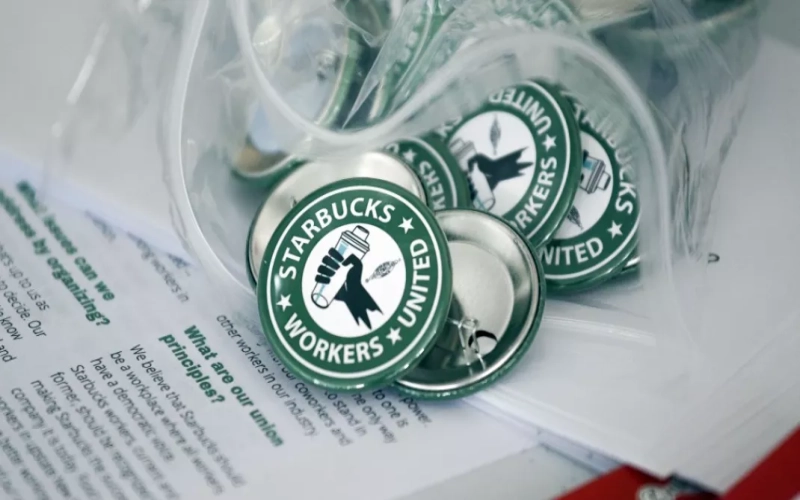
Why Are Starbucks Employees Forming Unions Everywhere? Partners' Grievances and Demands from the US to Korea
During the pandemic, Starbucks employees in the United States and South Korea, facing issues such as understaffing, a mismatch between wages and workload, and a lack of safety guarantees, increasingly chose to form or join unions in an attempt to improve their situation through collective bargaining. From the birth of the first union in Buffalo, New York, to responses from employees in Chicago and South Korea, the discontent among Starbucks partners continued to simmer. Although the company remained indifferent and was even accused of failing to provide adequate pandemic support, employees continued to seek channels to make their voices heard. This article will sort out the ins and outs of the Starbucks employee union movement, as well as the wage, treatment, and working environment issues reflected behind it. [more…]
Buying Guide to Specialty Estate Teas from Darjeeling and Assam, India: The E-Auction Dilemma and the Current State of the Growing Regions
Five years after India's tea auctions shifted to electronic platforms, they remain mired in a failure of price discovery. The Federation of All India Tea Traders Associations (FAITTA) points out that digital auctions have failed to achieve their original goal of fair pricing, and the 2020 pandemic further strained production, transportation, and exports on multiple fronts. Meanwhile, the total output of small tea growers has surpassed that of registered estates for the first time, making them a new force in the industry. This article reviews the structural challenges currently facing India's tea industry—from disputes over auction mechanisms to changes in production, and from declining exports to the need for mechanization—providing enthusiasts of fine black teas such as Darjeeling and Assam with a comprehensive overview of producing-region developments and purchasing references. [more…]
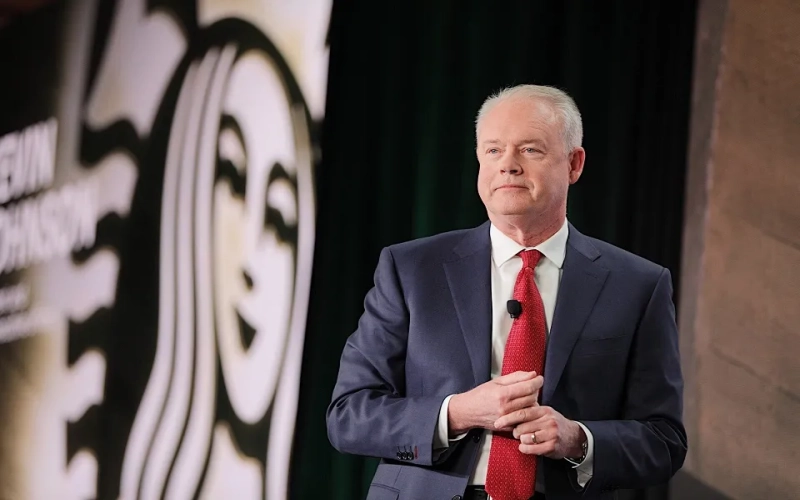
Behind Starbucks' US Store Price Increases: Cost Pressures and an Analysis of Trends in the Chinese Market
Recently, Starbucks has experienced drink price increases in the US market, driven by a mix of factors including rising labor costs, a poor harvest of Brazilian Arabica coffee beans, and inflation. Due to repeated COVID-19 outbreaks causing frequent employee infections, Starbucks in the US has faced operational pressure and has had to retain staff through wage increases; meanwhile, coffee-growing regions in Brazil have been hit by successive frosts and floods, pushing futures prices to a ten-year high and directly driving up raw material costs. Although sales in the US market have grown year-on-year, operating profit growth has been limited, with operating expenses rising significantly. So will this wave of price increases affect the Chinese market? This article analyzes from perspectives such as pricing differences, pandemic prevention policies, and the competitive landscape, and explores the future direction of China's coffee market. [more…]
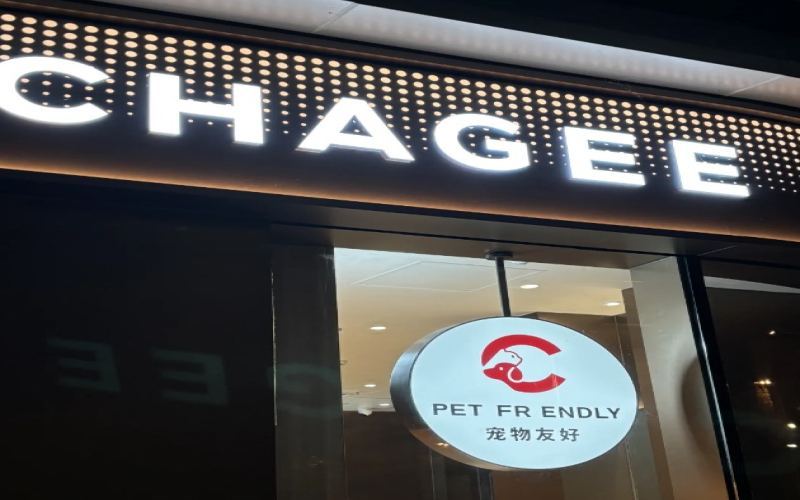
Chagee Enters Pet-Friendly Stores: Tea Beverage Brands Race for the New Hundred-Billion Pet Economy Track
For pet owners, whether they can bring their furry companions along when going out for a cup of coffee or milk tea is often a vexing question—many shops do not clearly indicate whether pets are allowed inside, leaving owners with little choice but to forgo the purchase. However, this situation is quietly changing. On August 23, Chagee's first batch of pet-friendly stores was officially announced as open, located in four cities—Changsha, Kunming, Hangzhou, and Shijiazhuang—with more cities to follow. So-called pet-friendly not only means not excluding pets, but also includes providing dedicated facilities and services for pets and their owners, such as water bowls, poop bags, and litter boxes, advocating harmonious coexistence between people and pets. On social media, pet-owning netizens responded enthusiastically, though some also expressed concerns about hygiene and epidemic prevention. The pet economy reached 592.8 billion yuan in 2023 and is projected to surpass 811.4 billion yuan by 2025, and tea beverage brands are turning their eyes to this piece of the pie. This article will focus on Chagee's pet-friendly initiatives to explore the opportunities and controversies surrounding the tea beverage industry's foray into the pet economy. [more…]
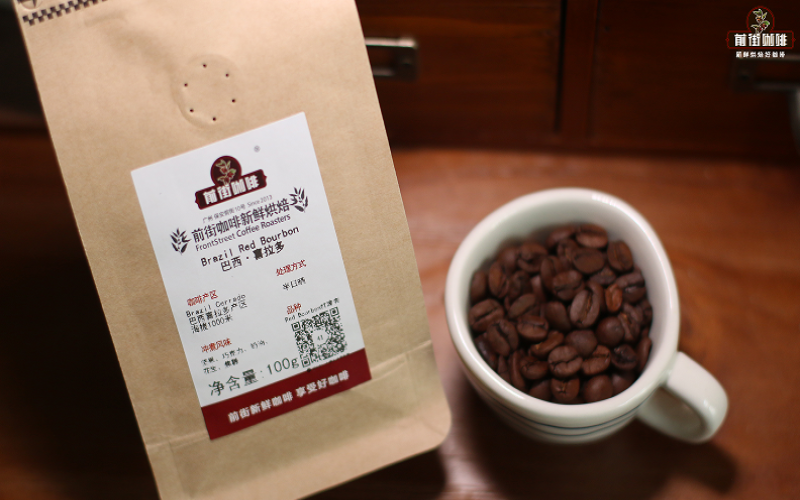
Drip Bag Varieties | What is the brewing method for Brazilian Red Bourbon drip bag coffee? What are the key points for brewing filter-style drip bag coffee packs? Drip bag coffee brand recommendations
Nowadays, more and more people have developed the habit of drinking coffee every day. But for those who don't work at a coffee shop, how can they enjoy coffee anytime? That's when the baristas at Front Street Coffee (FrontStreet Coffee) brought out drip coffee bags! Today, Front Street is here to share Front Street Coffee (F [more…]
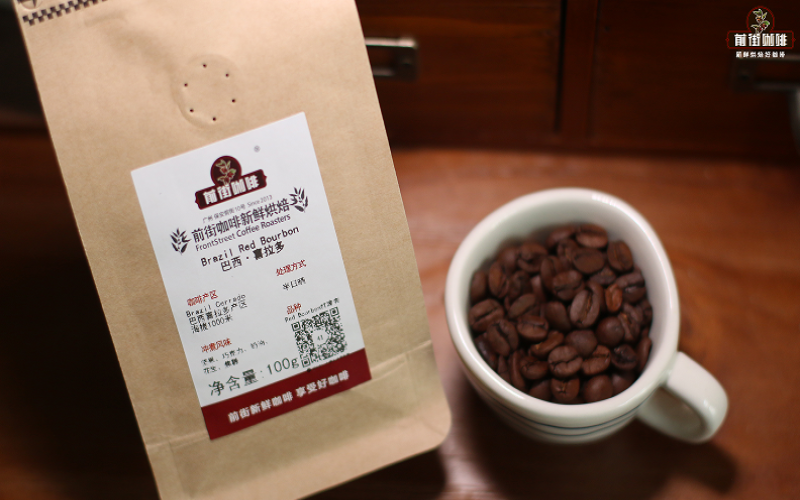
How to brew drip bag coffee for the best taste? Three key points and origin story of Front Street Brazil Red Bourbon drip bags
More and more people are making coffee part of their daily routine, but how can those who don't work in a coffee shop get a good cup of coffee anytime? Drip bags are the answer that balances convenience and flavor. This article centers on the Brazilian Red Bourbon used in Front Street Coffee's current-season drip bag coffee, first tracing the production fluctuations and price trends in the Brazilian growing regions against the backdrop of drought, then introducing the characteristics of the Cerrado region, the Red Bourbon variety, and the semi-washed processing method, and finally breaking down the complete brewing process for drip bags: from tearing open the OPEN dotted line, hanging the bag on the cup, 91 degrees Celsius water temperature, and a 1:15 coffee-to-water ratio to blooming and staged pouring, helping you brew a taste that rivals a coffee shop with simple steps. [more…]
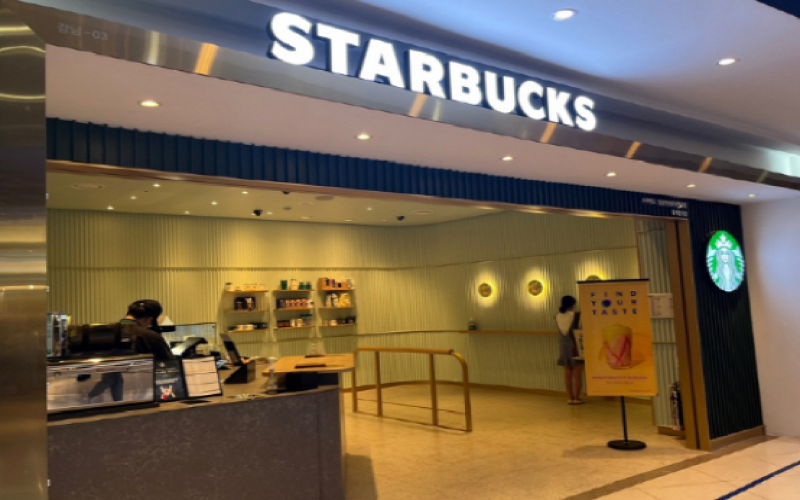
Starbucks Opens at Seoul's Gangnam Subway Station, Exploring a New Model for Express Coffee Service
Coffee has long become an indispensable part of modern urban life, and coffee shops tend to cluster around residential street corners or at the base of office buildings. Yet inside subway stations on busy commuting routes, coffee shops are rarely seen. Recently, Starbucks Korea broke with convention by opening a store inside Seoul's busiest subway station, Gangnam Station. This new-concept store centers on fast service and targets high-frequency, high-spending commuters. At the same time, Starbucks has only two subway station stores worldwide, with the other located at Canary Wharf Station in London. This article will walk you through the thinking behind Starbucks' strategic move and the market performance of Starbucks Korea. [more…]
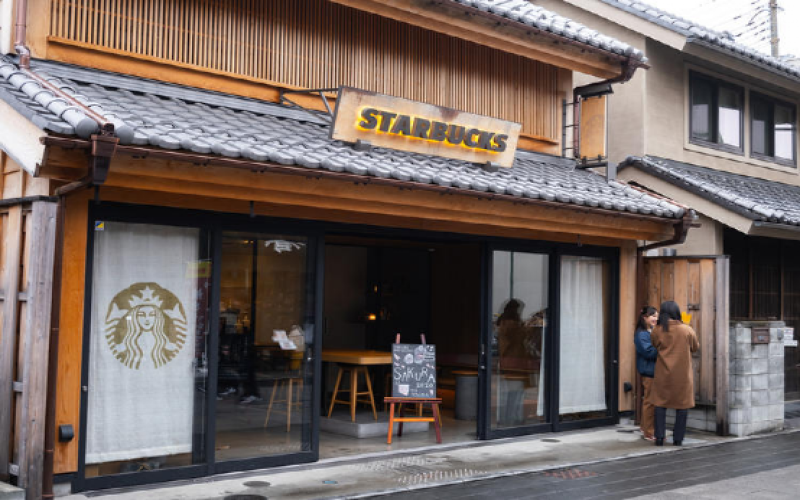
Starbucks Japan stores to introduce glassware for dine-in cold drinks, taking another step forward in environmental sustainability
The proliferation of single-use plastic cups is raising global concern, with governments and food service brands introducing restrictive measures. Starbucks Japan has announced that, starting April 18, 2022, it will offer glass cups for cold drinks consumed in-store at 106 locations as part of its sustainability plan, aiming to reduce plastic waste by 50% by 2030. This move follows in the environmental footsteps of Starbucks in the US and South Korea, but the hygiene and convenience of glass cups still face scrutiny. Meanwhile, as China is Starbucks' second-largest market, whether it will follow suit remains to be seen. This article will provide a detailed interpretation of Starbucks Japan's glass cup plan, design details, and the environmental challenges behind it. [more…]
A Comprehensive Analysis of the Flavor Characteristics, Processing Methods, and Prices of Tanzanian Specialty Coffee Beans
Tanzanian coffee comes from the heart of the East African Rift Valley, with the Moshi area around Mount Kilimanjaro as its core producing region, where fertile volcanic ash soil gives the coffee a rich body and soft acidity. This article focuses on Front Street Tanzanian coffee, detailing its flavor profile—crisp acidity, medium body, interwoven sweet citrus and floral notes, along with wine and fruity aromas, and the round mouthfeel brought by the washed processing method. It also introduces the stylistic differences between the two major producing regions of Kilimanjaro in the north and Ruvuma in the south, the history of Bourbon variety introduction and the smallholder coffee farming structure, and compares the similarities and differences with Front Street Kenyan coffee, providing coffee enthusiasts with a comprehensive reference for purchasing and tasting Tanzanian specialty coffee beans. [more…]